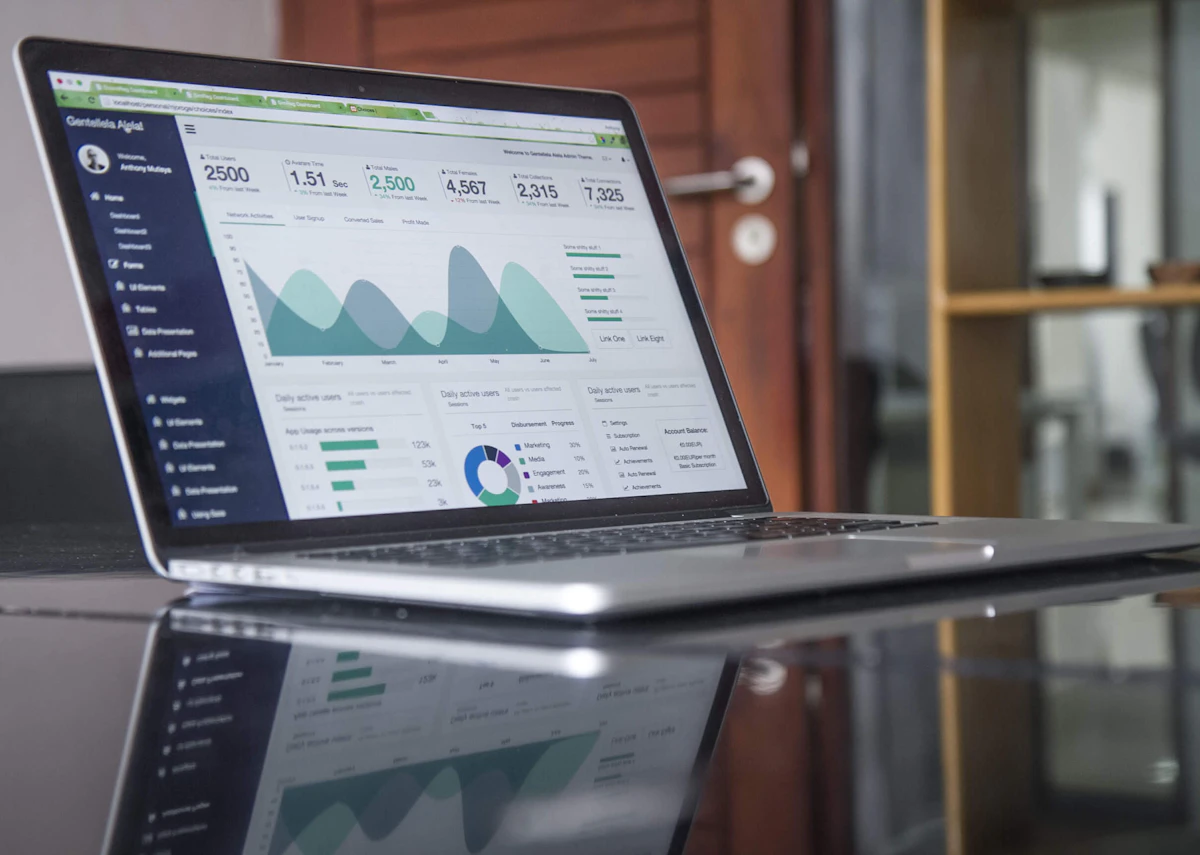
On-page SEO remains the foundation of any successful search engine optimization strategy in 2025. This comprehensive checklist covers every element you need to optimize for maximum visibility in Google search results across India, Dubai, USA, and global markets.
Whether you're targeting specific locations like Pune, Lonavala, Kalyan or aiming for worldwide reach, this step-by-step guide will help you implement all critical on-page SEO factors that Google's 2025 algorithms prioritize.
1. Technical SEO Foundation
Technical SEO forms the backbone of your website's relationship with search engines. Get these fundamentals right before moving to content optimization.
URL Structure Optimization
Create clean, descriptive URLs that include primary keywords and are easy for users and search engines to understand.
Title Tag Optimization
Create compelling title tags under 60 characters that include your primary keyword near the beginning.
Meta Description Optimization
Write compelling meta descriptions under 160 characters that encourage clicks and include secondary keywords.
Header Tag Structure (H1, H2, H3)
Use proper heading hierarchy with one H1 tag per page containing your primary keyword, followed by H2 and H3 tags for subsections.
Canonical Tags
Implement canonical tags to prevent duplicate content issues and consolidate link equity.
XML Sitemap
Create and submit an XML sitemap to Google Search Console for efficient crawling.
Robots.txt Optimization
Ensure your robots.txt file properly guides search engine crawlers and doesn't block important content.
2. Content Optimization
High-quality, optimized content is what ultimately ranks in search engines and satisfies user intent.
Primary Keyword Optimization
Naturally include your primary keyword in the first 100 words, throughout the content, and in the conclusion.
Secondary Keyword Integration
Include 2-4 semantically related secondary keywords throughout your content to demonstrate topic authority.
Content Length & Depth
Aim for comprehensive content that thoroughly covers the topic (1,500+ words for competitive topics).
Internal Linking Strategy
Link to other relevant pages on your site using descriptive anchor text to distribute authority.
External Linking to Authority Sources
Link out to reputable, authoritative websites to provide additional value and context.
Image Optimization
Optimize all images with descriptive file names, alt text, and proper compression.
3. User Experience & Engagement
Google increasingly prioritizes user experience signals in its ranking algorithms. Optimize for humans first, search engines second.
Core Web Vitals Optimization
Optimize for Largest Contentful Paint (LCP), Cumulative Layout Shift (CLS), and First Input Delay (FID).
Page Load Speed
Aim for sub-3-second load times on both desktop and mobile devices.
Readability & Scannability
Use short paragraphs, bullet points, numbered lists, and descriptive subheadings to improve readability.
Multimedia Integration
Include relevant images, videos, infographics, and interactive elements to enhance engagement.
Clear Call-to-Actions
Guide users toward desired actions with clear, compelling CTAs throughout your content.
4. Local SEO Optimization
For businesses targeting specific locations like India, Dubai, USA, Pune, Lonavala, or Kalyan, local SEO is essential for visibility.
Google Business Profile Optimization
Complete and verify your Google Business Profile with accurate NAP (Name, Address, Phone) information.
Local Keyword Targeting
Include location-specific keywords in title tags, headers, and content for targeted cities and regions.
Local Schema Markup
Implement LocalBusiness schema markup to provide search engines with structured local business information.
Local Citation Building
Ensure consistent NAP information across online directories, review sites, and local listings.
Localized Content Creation
Create location-specific content that addresses the needs and interests of your target local audience.
5. Mobile Optimization
With mobile-first indexing, your mobile experience directly impacts your search rankings.
Mobile-Friendly Design
Ensure your website uses responsive design that adapts to all screen sizes and devices.
Touch-Friendly Elements
Make buttons and interactive elements appropriately sized for touch interaction (minimum 44x44 pixels).
Mobile Page Speed
Optimize specifically for mobile performance, including image compression and minimal redirects.
Viewport Configuration
Ensure proper viewport meta tag is implemented for correct mobile rendering.
6. Advanced SEO Techniques
These advanced strategies can give you a competitive edge in crowded markets.
Structured Data Markup
Implement schema.org markup to enhance search results with rich snippets.
E-A-T Optimization
Demonstrate Expertise, Authoritativeness, and Trustworthiness through content and site signals.
Content Freshness
Regularly update and refresh content to maintain relevance and ranking power.
Voice Search Optimization
Optimize for conversational queries and question-based search patterns.
7. Monitoring & Maintenance
SEO is an ongoing process that requires continuous monitoring and optimization.
Google Search Console Setup
Monitor indexing status, search performance, and technical issues through Google Search Console.
Regular SEO Audits
Conduct comprehensive SEO audits quarterly to identify and fix issues.
Keyword Ranking Tracking
Monitor keyword rankings for your target terms in relevant locations.
Competitor Analysis
Regularly analyze competitor strategies and identify opportunities for improvement.
Frequently Asked Questions
What is the most important on-page SEO factor in 2025?
In 2025, user experience signals combined with high-quality, comprehensive content are the most important on-page SEO factors. Google's algorithms now heavily prioritize page experience metrics like Core Web Vitals, mobile-friendliness, and engagement metrics alongside traditional keyword optimization.
How long does it take to see results from on-page SEO?
Initial improvements can appear within 2-4 weeks, but significant ranking improvements typically take 3-6 months. For competitive keywords in markets like India, Dubai, and USA, it may take 6-12 months to achieve first-page rankings with consistent optimization efforts.
What's the difference between on-page and off-page SEO?
On-page SEO refers to optimization elements you control on your website (content, HTML, structure), while off-page SEO involves external factors (backlinks, social signals). Both are crucial, but on-page SEO provides the foundation for all other optimization efforts.
How many keywords should I target per page?
Focus on 1 primary keyword and 2-4 secondary keywords per page. In 2025, Google's semantic understanding has improved significantly, so natural language and topic coverage matter more than exact keyword density.
Is on-page SEO still important with AI content?
Yes, on-page SEO is more important than ever with AI content. While AI can generate text, proper on-page optimization ensures the content is structured correctly for both users and search engines, with proper HTML tags, internal linking, and technical elements that AI alone doesn't handle.
Conclusion: Your Path to #1 Rankings
By systematically implementing this comprehensive on-page SEO checklist, you're building a solid foundation for search engine visibility that can withstand algorithm updates and competitive pressures.
Remember that SEO success in 2025 requires a balanced approach that prioritizes both technical excellence and user satisfaction. Focus on creating genuinely helpful content that addresses searcher intent, while ensuring your technical implementation makes that content easily accessible to both users and search engines.
Whether you're targeting specific locations like India, Dubai, USA, Pune, Lonavala, Kalyan or aiming for global reach, consistent application of these on-page SEO principles will significantly increase your chances of achieving and maintaining first-page rankings.
Next Steps
Start with a comprehensive SEO audit of your website, prioritize the most critical issues from this checklist, and implement changes systematically. Consider working with an experienced SEO professional if you need assistance with technical implementation or strategy development.