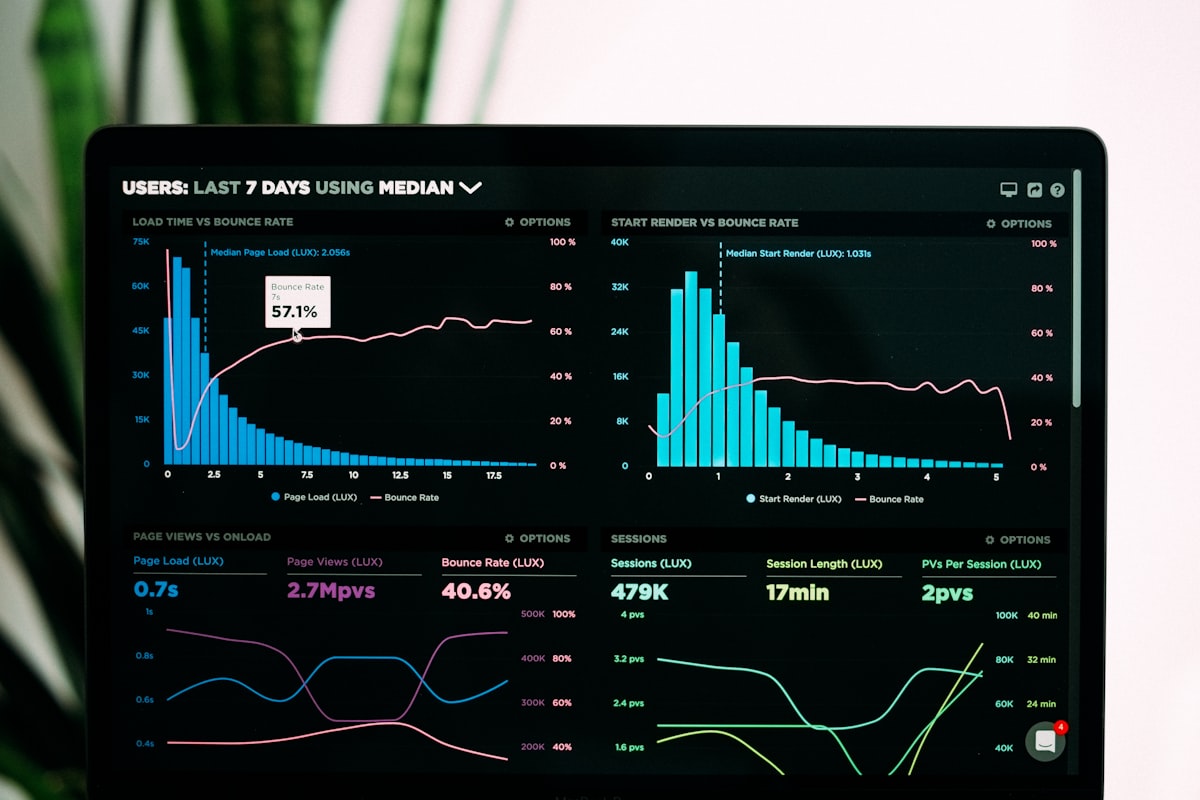
In 2025, website bounce rate remains one of the most critical metrics for measuring user engagement and SEO performance. A high bounce rate not only indicates poor user experience but also negatively impacts your search engine rankings across all regions including India, USA, UAE, and worldwide.
This comprehensive guide will walk you through proven strategies to significantly reduce your website's bounce rate, improve user engagement, and boost your SEO performance in the competitive digital landscape of 2025.
What is Bounce Rate and Why It Matters in 2025
Bounce rate is the percentage of visitors who leave your website after viewing only one page. In 2025, with Google's increasingly sophisticated algorithms, bounce rate has become an even more important engagement metric that directly influences your search visibility.
Why Bounce Rate Matters for SEO in 2025
Google's 2025 algorithms place significant emphasis on user engagement metrics. A high bounce rate signals to search engines that your content doesn't meet user intent, leading to lower rankings. Conversely, a low bounce rate indicates valuable, engaging content that deserves higher visibility.
Bounce Rate Benchmarks by Industry & Country
Understanding what constitutes a "good" bounce rate helps set realistic goals for your website optimization efforts.
Industry-Specific Benchmarks
| Industry | Good Bounce Rate | Average Bounce Rate | High Bounce Rate |
|---|---|---|---|
| E-commerce | 20-40% | 40-60% | 60%+ |
| Content/Blog | 35-60% | 60-70% | 70%+ |
| Lead Generation | 30-50% | 50-70% | 70%+ |
| Service Websites | 25-50% | 50-65% | 65%+ |
| Portfolio Sites | 30-50% | 50-70% | 70%+ |
Geographic Variations in Bounce Rates
Bounce rates vary significantly by country due to cultural differences, internet speeds, and user behavior patterns:
- USA: Average 40-50% (lower due to faster internet and digital literacy)
- UAE/Dubai: Average 45-55% (high mobile usage, good internet infrastructure)
- India: Average 50-65% (varies by region, with metro areas like Mumbai, Pune showing lower rates)
- European Countries: Average 40-55%
- Southeast Asia: Average 55-70%
Top Causes of High Bounce Rates in 2025
Identifying the root causes of high bounce rates is the first step toward effective optimization.
Technical Issues
- Slow Page Load Speed: Pages taking more than 3 seconds to load see significantly higher bounce rates
- Mobile Unfriendliness: Non-responsive designs that don't work well on mobile devices
- Broken Links and Errors: 404 errors, broken images, and malfunctioning features
- Poor Navigation: Confusing site structure that makes it hard to find relevant content
Content-Related Issues
- Misleading Titles/Meta Descriptions: Content that doesn't match search intent
- Poor Content Quality: Thin, outdated, or irrelevant content
- Bad Readability: Walls of text, poor formatting, complex language
- Lack of Engagement Elements: No visuals, interactive elements, or clear CTAs
User Experience Problems
- Intrusive Pop-ups: Aggressive advertising that interrupts the user experience
- Poor Design: Outdated aesthetics, confusing layouts, or distracting elements
- Accessibility Issues: Websites that are difficult to use for people with disabilities
- Security Warnings: Non-HTTPS sites that trigger browser security alerts
Technical Optimization Strategies for 2025
Technical improvements provide the foundation for reducing bounce rates and improving overall user experience.
Page Speed Optimization
In 2025, page speed remains critical. Aim for sub-2-second load times for optimal engagement:
- Implement lazy loading for images and videos
- Minify CSS, JavaScript, and HTML files
- Leverage browser caching and CDN services
- Optimize images with next-gen formats (WebP, AVIF)
- Reduce server response time with quality hosting
Core Web Vitals Optimization
Google's Core Web Vitals directly impact both user experience and SEO:
- Largest Contentful Paint (LCP): Aim for < 2.5 seconds
- First Input Delay (FID): Aim for < 100 milliseconds
- Cumulative Layout Shift (CLS): Aim for < 0.1
Mobile-First Optimization
With mobile traffic dominating in 2025, mobile optimization is non-negotiable:
- Implement responsive design with mobile-first approach
- Optimize touch targets and navigation for mobile
- Ensure text is readable without zooming
- Eliminate horizontal scrolling
- Test across various devices and screen sizes
Case Study: E-commerce Site Reduces Bounce Rate by 42%
Challenge: Mumbai-based fashion retailer had 68% bounce rate on product pages
Solution: Implemented image optimization, lazy loading, and improved mobile responsiveness
Results: Bounce rate dropped to 39%, mobile conversions increased by 55%, overall revenue grew by 28% in 3 months
Content Engagement Techniques for 2025
Creating compelling, engaging content is essential for keeping visitors on your site longer.
Improving Content Relevance
- Conduct thorough keyword research to understand user intent
- Create comprehensive content that fully addresses search queries
- Use semantic SEO to cover related topics and concepts
- Regularly update content to maintain relevance and accuracy
Enhancing Readability
- Use clear, scannable headings and subheadings
- Break content into short paragraphs (2-3 sentences)
- Incorporate bullet points and numbered lists
- Use bold and italic formatting to emphasize key points
- Maintain a conversational tone appropriate for your audience
Interactive and Multimedia Elements
- Include relevant images, infographics, and charts
- Embed videos to demonstrate concepts or tell stories
- Add interactive elements like quizzes, calculators, or assessments
- Implement scroll-triggered animations to maintain engagement
- Use interactive maps for location-based businesses
Design and UX Improvements for Lower Bounce Rates
A well-designed user experience encourages exploration and reduces early exits.
Navigation Optimization
- Implement clear, intuitive main navigation
- Use breadcrumbs for complex site structures
- Include search functionality with autocomplete
- Create logical internal linking between related content
- Ensure important pages are never more than 3 clicks away
Visual Design Best Practices
- Use ample white space to reduce visual clutter
- Maintain consistent branding and color scheme
- Choose readable fonts with appropriate sizing
- Ensure sufficient color contrast for accessibility
- Use visual hierarchy to guide users through content
Strategic Call-to-Action Placement
- Place primary CTAs above the fold for immediate visibility
- Include secondary CTAs throughout the content
- Use action-oriented language that creates urgency
- Ensure CTAs are visually distinct from other elements
- Test different CTA placements, colors, and wording
Mobile Optimization Strategies for 2025
With mobile traffic accounting for over 60% of web traffic globally, mobile optimization is crucial for reducing bounce rates.
Progressive Web App (PWA) Implementation
PWAs provide app-like experiences that significantly improve mobile engagement:
- Enable offline functionality for core features
- Implement push notifications for re-engagement
- Create smooth animations and transitions
- Ensure fast loading even on slow networks
Accelerated Mobile Pages (AMP)
While AMP usage has evolved, it remains valuable for content-heavy sites:
- Implement AMP for blog posts and news articles
- Ensure AMP pages maintain branding and functionality
- Use AMP for lightning-fast loading on mobile devices
- Monitor AMP performance in Google Search Console
Mobile-Specific UX Considerations
- Optimize forms for mobile input with appropriate keyboards
- Implement "click to call" and "get directions" buttons
- Ensure all functionality works with touch gestures
- Test on various devices and network conditions
- Consider thumb-friendly navigation placement
Advanced Bounce Rate Reduction Strategies for 2025
Go beyond basic optimizations with these advanced techniques for maximum impact.
Personalization and AI
- Implement AI-driven content recommendations
- Use geolocation to show relevant local information
- Personalize CTAs based on user behavior and demographics
- Create dynamic content that adapts to user preferences
- Use machine learning to predict and address exit intent
Behavioral Trigger Implementation
- Set up scroll-triggered content reveals
- Implement exit-intent popups with valuable offers
- Use time-on-page triggers to display additional content
- Create interactive elements that respond to user actions
- Implement gamification elements to increase engagement
Voice Search Optimization
With voice search growing rapidly, optimize for conversational queries:
- Create FAQ content that answers common questions
- Use natural language and conversational tone
- Optimize for featured snippets and position zero
- Structure content with clear, concise answers
- Include schema markup to help voice assistants understand content
Tools and Analytics for Monitoring Bounce Rate
Proper measurement is essential for effective bounce rate optimization.
Essential Analytics Tools
- Google Analytics 4: Comprehensive bounce rate tracking with enhanced insights
- Hotjar: Heatmaps and session recordings to understand user behavior
- Google Search Console: Identify high-impression, high-bounce-rate queries
- SEMrush/Pitchbox: Competitive bounce rate analysis and tracking
- GTmetrix/PageSpeed Insights: Technical performance monitoring
Key Metrics to Monitor
- Bounce Rate by Channel: Identify which traffic sources have the highest bounce rates
- Bounce Rate by Page: Pinpoint problematic pages that need optimization
- Bounce Rate by Device: Identify mobile vs. desktop performance gaps
- Bounce Rate by Country/Region: Geographic performance analysis
- Engagement Rate: GA4's replacement for bounce rate with more nuanced insights
Setting Up Custom Tracking
- Create custom events for meaningful user interactions
- Set up scroll depth tracking to measure content engagement
- Implement video engagement tracking for multimedia content
- Create custom dimensions for specific user segments
- Set up goals and conversions to track meaningful engagements
Success Stories and Case Studies
Real-world examples demonstrate the impact of effective bounce rate optimization.
Case Study: Pune-Based SaaS Company Reduces Bounce Rate by 58%
Challenge: B2B software company had 72% bounce rate on pricing page
Solution: Implemented interactive pricing calculator, customer testimonials, and live chat support
Results: Bounce rate dropped to 30%, demo requests increased by 125%, qualified leads grew by 80%
Case Study: Dubai Travel Agency Cuts Bounce Rate in Half
Challenge: Luxury travel site had 65% bounce rate despite high-quality photography
Solution: Added virtual tours, interactive destination maps, and AI-powered recommendation engine
Results: Bounce rate reduced to 32%, average session duration increased from 1:15 to 4:30, bookings increased by 45%
Case Study: USA E-commerce Store Achieves 28% Bounce Rate
Challenge: Fashion retailer struggled with 68% bounce rate on mobile devices
Solution: Implemented PWA, one-click checkout, and augmented reality try-on feature
Results: Mobile bounce rate dropped to 28%, mobile conversions increased by 220%, cart abandonment decreased by 35%
Frequently Asked Questions
What is a good bounce rate for a website in 2025?
In 2025, a good bounce rate varies by industry but generally: Content websites 35-60%, Lead generation sites 30-50%, E-commerce sites 20-40%, and Service sites 25-50%. Aim for below 50% as a general benchmark for most websites.
How does bounce rate affect SEO rankings?
Bounce rate is a significant indirect ranking factor. High bounce rates signal to search engines that your content doesn't meet user intent, leading to lower rankings. Google uses engagement metrics like bounce rate to assess content quality and relevance.
What are the most effective ways to reduce bounce rate immediately?
Quick wins include improving page load speed, adding clear internal links, optimizing for mobile devices, creating compelling meta descriptions, and adding engaging multimedia content. These changes can show results within days.
Does bounce rate vary by country like India, USA, or UAE?
Yes, bounce rates vary significantly by geographic location due to cultural differences, internet speeds, and user behavior. Typically, users in countries with faster internet (USA, UAE) have lower bounce rates, while regions with slower connections (some parts of India) may show higher rates.
How long should I wait to see results after implementing bounce rate optimizations?
Technical improvements like page speed optimization can show results within days. Content and design changes typically take 2-4 weeks to reflect in analytics. For comprehensive strategies, allow 1-3 months to see significant, sustained improvements.
Conclusion
Reducing bounce rate in 2025 requires a holistic approach that combines technical optimization, compelling content creation, and exceptional user experience design. By implementing the strategies outlined in this guide, you can significantly improve user engagement, increase conversions, and boost your SEO rankings across all target markets including India, USA, UAE, and worldwide.
Remember that bounce rate optimization is an ongoing process. Continuously monitor your analytics, test new approaches, and adapt to changing user behaviors and technological advancements. With consistent effort and data-driven decisions, you can transform your website into an engaging destination that keeps visitors coming back for more.